- HEARING AIDS & HEARING CARE ACROSS SCOTLAND
- 01506 420519


Tinnitus – Silencing the Inner Symphony
December 18, 2025
Review of the Oticon Zeal Hearing Aid
February 9, 2026
Separating Facts from Fear, with Care at the Core
As someone who’s spent years guiding people through the world of hearing health, I’ve noticed a growing conversation that’s both intriguing and, frankly, a bit alarming. Headlines and social media posts are buzzing with claims like, “Skip your hearing aids, and you could be inviting dementia.” It’s the kind of narrative that can make anyone pause—especially if you’re already navigating age-related hearing changes. But here’s the thing: at The Hearing Aid Advice Centre, I don’t chase trends or amplify scares to fill my schedule. My mission is simple: to empower you with honest, evidence-based information so you can make choices that truly support your well-being. No high-pressure sales, no one-size-fits-all pitches—just real talk from one person to another who cares.
In this post, I’ll unpack the science behind the hearing loss-dementia link. We’ll look at what the research actually says, why it’s not as straightforward as some make it out to be, and how I approach this. My goal? To help you feel informed and supported, not pushed.
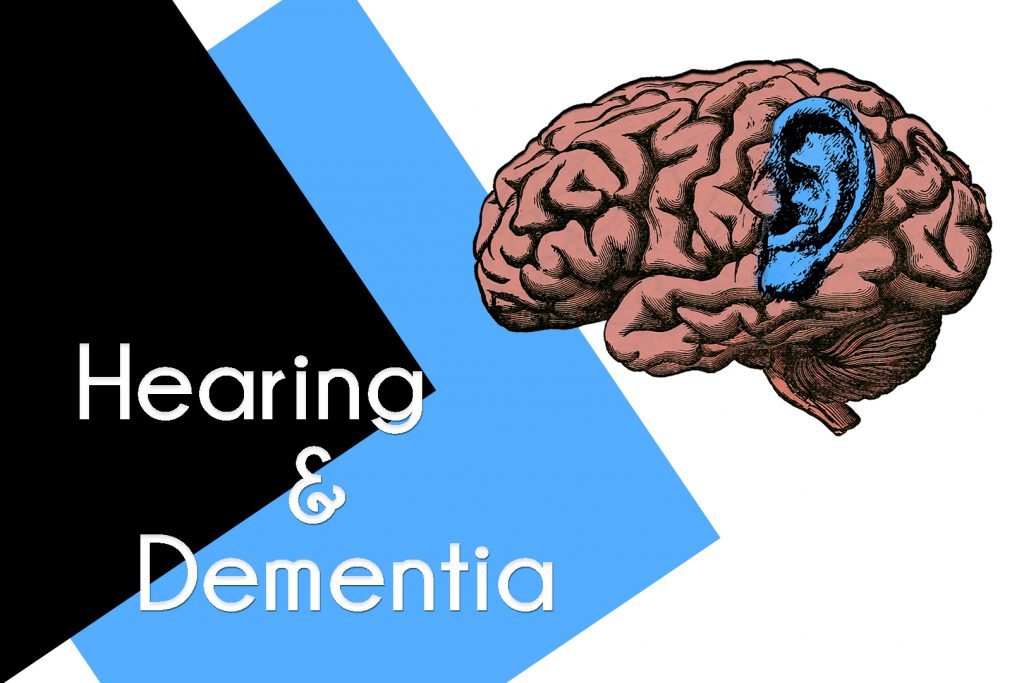
The Narrative: What’s All the Fuss About?
It started gaining traction around a decade ago, but recent studies have cranked up the volume. The idea is that untreated hearing loss isn’t just about missing conversations—it’s a potential gateway to cognitive decline, including dementia. Proponents point to large-scale reviews showing that people with hearing loss face a higher risk of developing dementia later in life. For instance, moderate hearing loss (around 35 dB threshold) has been linked to a 29% increased risk, while severe cases bump that up to 49%. Even milder impairments in your 50s can show early brain changes reminiscent of dementia’s first whispers.
And the numbers are eye-opening: One analysis suggests that up to 32% of dementia cases in seniors could be tied to untreated hearing loss. It’s no wonder this story spreads—it’s a call to action wrapped in urgency. But as with any health topic, the devil (and the truth) is in the details.
The Science: Strong Links, But Not Ironclad Chains
Let’s be clear from the start: The evidence for an association between hearing loss and dementia is robust. Meta-analyses of dozens of studies, involving hundreds of thousands of participants, consistently show this connection. The risk climbs with the severity and duration of hearing loss—nearly double for mild cases, triple for moderate, and five times higher for severe. Researchers have even pinpointed potential mechanisms: When your brain works overtime to fill in auditory gaps, it might strain cognitive resources, leading to changes in brain structure over time. Social isolation from communication struggles could play a role too, as fewer interactions mean less mental stimulation.
That said, correlation isn’t causation—and the experts agree. We don’t fully know why the link exists. Hearing loss might be an early symptom of dementia (think “central hearing loss,” where the brain’s processing falters before memory does), a risk factor that accelerates decline, or a bit of both. Recent reviews describe the association as “modest” in midlife and emphasize that the underlying biology is still murky. Not everyone with hearing loss develops dementia, and other factors—like genetics, lifestyle, and overall health—loom larger.
In short: The narrative has a solid foundation, but it’s not a crystal ball. Pushing it as a direct “cause” oversimplifies things and can breed unnecessary anxiety. I share these nuances because knowledge is your best defence.
Hearing Aids: A Helpful Tool, Not a Magic Bullet
Now, the part that often gets twisted into a sales script: Do hearing aids prevent dementia? The short answer: They may help lower the risk, but the evidence isn’t definitive yet.
Promising studies show real potential. For example, people who use hearing aids after a hearing loss diagnosis have a reduced dementia risk compared to those who don’t—up to 61% lower in some groups under 70, tracked over 20 years. Hearing aid users also report slower cognitive decline and better memory performance over time. It makes sense—better hearing means easier conversations, more engagement, and less brain strain.
But caveats abound. Most data is observational, so we can’t prove hearing aids cause the protection; it could be that proactive folks who seek aids are already doing other healthy things. And for “central” hearing issues tied to early dementia, aids might not fully address the root. The bottom line? If you have hearing loss, getting tested and exploring aids is a smart, low-risk step. But it’s one piece of a bigger puzzle.
My Promise at The Hearing Aid Advice Centre: Advice Rooted in Care
Why write this? Because I’ve seen too many clients walk in feeling cornered by fear-mongering ads or well-meaning but alarmist advice. “You must get aids now, or else…” That isn’t me. I’m not here to sell devices; I’m here to listen, assess, and guide you toward what fits your life.
When you visit me at thehearingaidadvicecentre.co.uk, expect a no-rush consultation. I’ll discuss your hearing test results openly, weigh the dementia research against your unique situation, and explore options—from lifestyle tweaks to tech trials—without quotas or commissions clouding my judgment. Because true well-being? It’s about feeling heard, in every sense.
If this topic resonates, or if you’re curious about your hearing health, give me a call. A chat with me may be the clarity you need. Let’s keep the conversation going—your brain (and ears) will thank you.
Stay well,
Colin Forrest
The Hearing Aid Advice Centre