- HEARING AIDS & HEARING CARE ACROSS SCOTLAND
- 01506 420519

Real-User Insights from Edinburgh Wearers of Oticon Intent 1
December 3, 2025
The Truth About Hearing Loss and Dementia
January 21, 2026
How Oticon Intent Turns Tinnitus from a Relentless Roar to a Faint Whisper
Imagine this:
You’re finally settling into bed after a long day, the world outside hushed under a blanket of night. But inside your head, a phantom orchestra strikes up—high-pitched whistles, low rumbles like distant thunder, or an incessant buzzing that drowns out even the quietest thoughts. This isn’t a nightmare; it’s tinnitus, the uninvited guest that crashes millions of lives worldwide.
If you’ve ever felt trapped in your own auditory echo chamber, you’re not alone. Yet, amid the static, a game-changer emerges: the Oticon Intent hearing aid. This isn’t just another gadget—it’s a smart companion that rewires your listening experience, blending cutting-edge tech with targeted relief to reclaim your peace. In this post, I’ll dive into the chaos of tinnitus and uncover how Oticon Intent is quietly revolutionising relief, one customised sound at a time.
The Unseen Storm: Understanding Tinnitus
Tinnitus isn’t a disease in itself but a symptom—a persistent perception of sound where none exists externally. It can manifest as ringing, hissing, clicking, or roaring, varying in pitch and intensity. Picture it like a radio tuned to a dead frequency: your brain, starved of real input, fills the void with its own noisy broadcast.
Common Culprits Behind the Noise
The triggers are as diverse as they are sneaky:
- Age-related hearing loss: As we age, the delicate hair cells in our inner ear wear down, leaving gaps that the brain “amplifies” with phantom sounds.
- Noise exposure: That rock concert in your twenties or years of construction work? They can damage auditory nerves, sparking tinnitus as a lingering echo.
- Health factors: From earwax build-up and infections to circulatory issues like high blood pressure or even medications (think aspirin overload), the causes span the spectrum.
- Stress and jaw tension: Ever notice the ring amps up during deadlines? Emotional strain can tighten muscles around the ear, fuelling the fire.
Affecting about 15-20% of people globally, tinnitus isn’t just annoying—it’s exhausting. It disrupts sleep, sharpens anxiety, and even fuels depression in severe cases, turning everyday joys like a family dinner into a battle against background buzz. The kicker? There’s no universal cure, but management strategies have evolved far beyond “just live with it.”
Beyond Band-Aids: The Limits of Traditional Tinnitus Tactics
For decades, relief meant white noise machines humming like a faulty fridge or counselling sessions unpacking the psychological toll. Cognitive behavioural therapy (CBT) shines here, rewiring your brain’s reaction to the noise rather than silencing it—proven to boost quality of life without altering the sound itself. Sound therapy apps offer on-demand ocean waves or rain patters, a decent distraction but often clunky and disconnected from your daily audio reality.
Then there’s medication—antidepressants for the mood hit or earwax removal for the quick wins—but these tackle symptoms, not roots. Enter hearing aids: not just amplifiers, but smart interveners that address the frequent link between hearing loss and tinnitus. And among them, Oticon Intent stands out as a symphony conductor, harmonising relief with life’s unpredictable rhythm.
Oticon Intent: The Intentional Listener
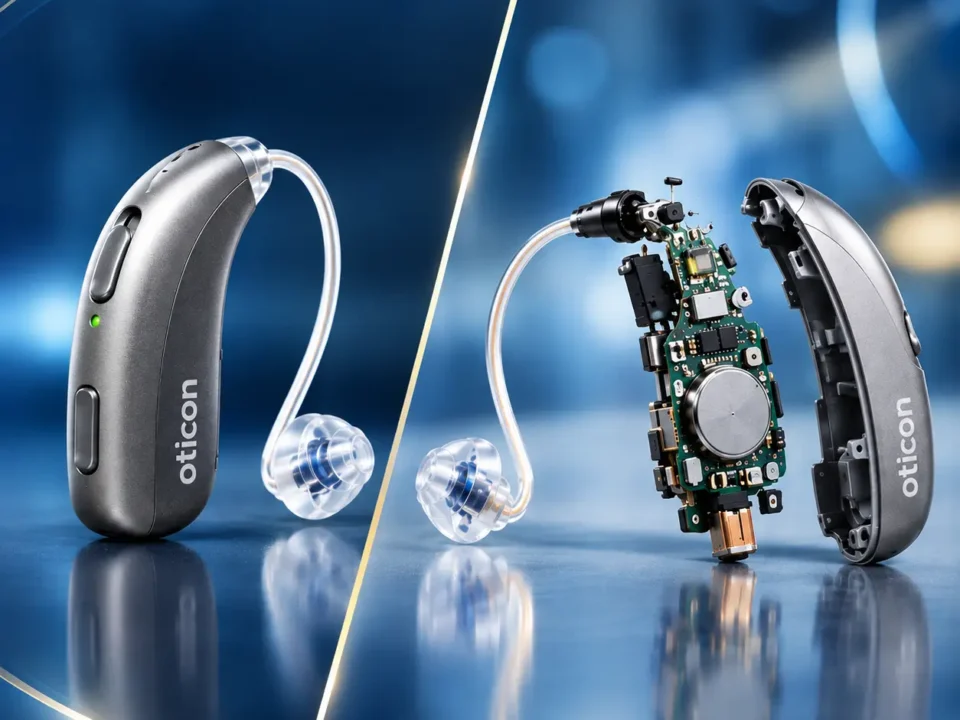
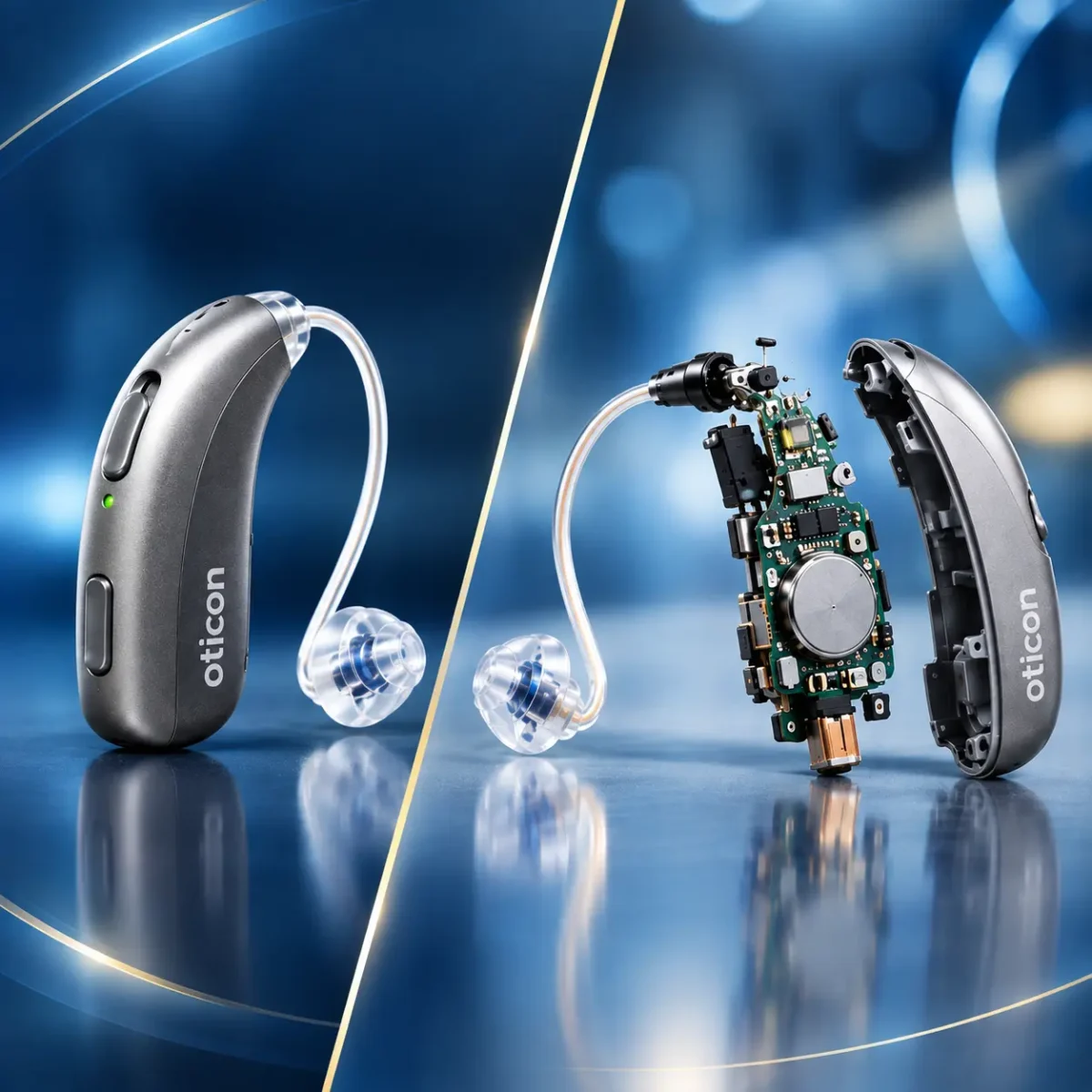
Launched as Oticon’s latest brainchild, the Intent isn’t your grandma’s bulky hearing aid. It’s a sleek, rechargeable powerhouse designed for the modern multitasker—discreet enough to vanish behind your ear, with a single push-button for effortless control and Bluetooth connectivity that streams calls, podcasts, or playlists straight from your iPhone or Android. Battery life? Up to 24 hours of all-day action, rechargeable in three quick hours.
At its core is BrainHearing™ technology, which mimics how our brains naturally shift sounds. Powered by a second-generation Deep Neural Network (DNN 2.0), it scans your surroundings 500 times per second, balancing speech clarity with ambient noise for up to 12 dB better suppression in crowds. Add 4D Sensor tech—tiny accelerometers that track your head tilts and body movements—and it anticipates your “listening intent,” whether you’re nodding along in a meeting or straining to hear a grandchild’s whisper across the dinner table.
But for tinnitus warriors, the real magic unfolds in its seamless integration of everyday hearing with targeted therapy. It’s like having a personal sound architect in your pocket, rebuilding your auditory world brick by soothing brick.
How Oticon Intent Quiets the Chaos: A Deep Dive into Tinnitus SoundSupport™
Oticon Intent doesn’t just mask tinnitus; it outsmarts it. Embedded within is Tinnitus SoundSupport™, a clinically backed feature that delivers customisable sound therapy right where you need it—without interrupting your flow.
The Science of Subtlety
Here’s the genius: Tinnitus thrives in silence, hijacking your brain’s attention like a spotlight on an empty stage. SoundSupport floods that void with a “symphony” of relief—broadband noises (white, pink, or red, tailored to your hearing profile) or dynamic nature sounds like rolling ocean waves. These aren’t generic hums; I fine-tune them during fitting, ensuring they blend invisibly with real-world audio. The result? Your brain gets a richer soundscape, diluting the tinnitus to a background murmur, much like a solo flute fading into a full orchestra.
Customisation at Your Fingertips
Via the Oticon Companion app, you command the show discreetly. Crank up ocean pulses during a stressful commute or switch to steady pink noise for bedtime focus—all adjustable in real-time, with options to layer in music or podcasts for dual-duty delight. The Comfort Pulse mode adds rhythmic variations, keeping things fresh so your brain doesn’t tune out the therapy.
Proof in the Peace
Studies on Oticon users show a whopping 47% drop in tinnitus’s daily interference, from sleep stealers to concentration crushers—whether you’re a newbie or a hearing aid veteran. Nature sounds, in particular, shine for their calming variability, proven to ease annoyance without overwhelming your senses. Users report not just quieter ears, but louder lives: reclaiming conversations, concerts, and that elusive deep sleep.
A Day in the Life: From Overwhelmed to Empowered
Meet Alex (name changed for privacy), a 52-year-old project manager whose tinnitus kicked in post a noisy warehouse stint. “It was like a drill in my skull during quiet moments—emails became marathons of distraction.” After switching to Oticon Intent, Alex paired its DNN smarts for office chatter with app-activated wave sounds for breaks. “Now? The ring’s there, but it’s background noise to my soundtrack. I hosted a team happy hour last week without once zoning out.” Stories like Alex’s highlight Intent’s edge: it’s proactive relief, adapting as your day does.
Tuning into Tomorrow: Your Next Step Toward Silence
Tinnitus may and probably never will fully vanish, but Oticon Intent proves it doesn’t have to dominate. By fusing AI-driven sound mastery with intuitive therapy, it empowers you to listen on your terms—clearer, calmer, connected. If this resonates (pun intended), chat with me about a trial. Your inner symphony deserves a conductor who knows when to hush the noise.
My own experience confirms a success rate of 60%, reducing tinnitus to an acceptable level for my patients. The caveat however, is this, all my patients have demonstrable hearing loss.
What’s your tinnitus tale? Let’s turn the volume down together. Here’s to ears that hear you first.