- HEARING AIDS & HEARING CARE ACROSS SCOTLAND
- 01506 420519

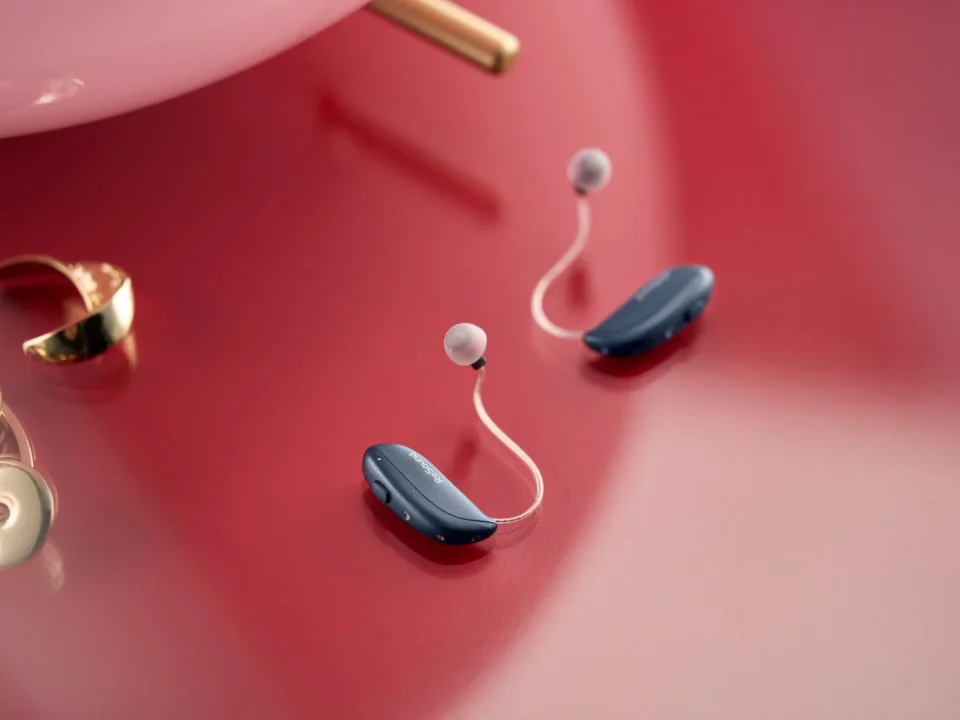
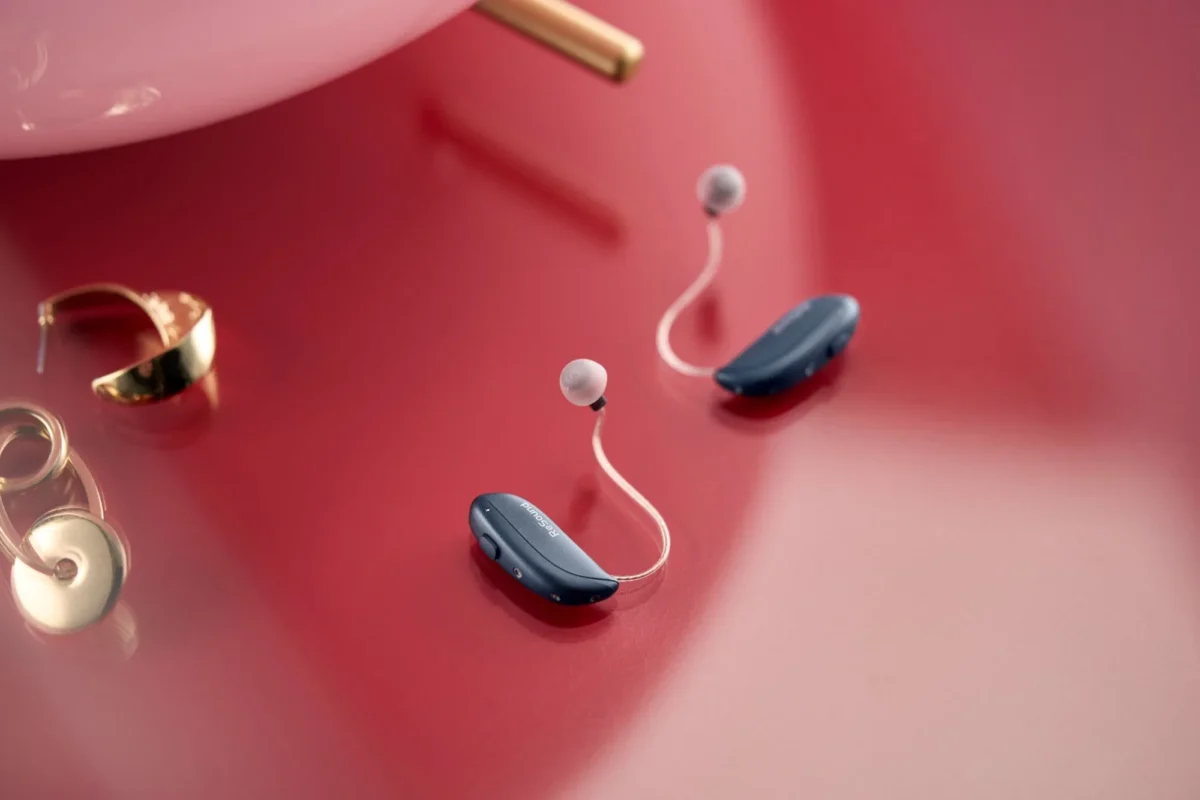
ReSound Vivia Pro
October 10, 2026
There’s something special about a proper Scottish walk. The crisp air, the changing light over the hills, the sound of your boots on a muddy path or a coastal track. Whether you’re out on the Pentlands near Edinburgh, strolling around Beecraigs or Almondell in West Lothian, heading for Salisbury Crags and Arthur’s Seat, or further afield towards the Borders or the Highlands, a good walk is one of life’s simple pleasures here.
Until the wind gets up.
Anyone who lives in Scotland knows our weather doesn’t do half-measures. A fresh breeze can turn into a proper blast in minutes, especially on exposed ridges, coastal paths or open farmland. For people with hearing loss or those who wear hearing aids, that wind isn’t just inconvenient — it can turn a peaceful outing into a frustrating one. The whooshing, roaring and low-frequency rumble can drown out conversation with your walking companion, mask the sound of approaching cyclists or dogs, and make the whole experience feel isolating rather than uplifting.
This is a very real, everyday issue for many people across Livingston, Edinburgh, Glasgow and the rest of Scotland. The good news is that modern hearing technology and a few practical habits can make a big difference. You don’t have to stay indoors on a blustery day or miss out on the walks you love.
Why Wind Noise Hits Hearing Aids So Hard
Wind noise is not the same as ordinary background noise. When air rushes over the tiny microphones on a hearing aid (especially behind-the-ear or receiver-in-canal styles), it creates turbulence. That turbulence produces strong, irregular low-frequency pressure changes that the microphones pick up as loud noise. Even a moderate breeze of 10–15 mph can generate significant interference; stronger Scottish gusts make it worse.
Older or basic hearing aids often amplify this noise along with everything else, or they apply crude reduction that also dulls speech and environmental sounds. The result? Conversations become hard work, natural outdoor sounds lose their clarity, and some people simply turn their aids down or take them out — which defeats the purpose of better hearing.
People with untreated hearing loss face a different but related problem. Wind and other outdoor noise make it even harder to follow speech, increasing listening effort and fatigue. Many walkers report feeling disconnected from their companions or missing important cues for safety and enjoyment.
Scotland’s landscape amplifies the challenge. Open moorland, coastal cliffs, hilltops and even city parks on a windy day create exactly the conditions that test hearing technology. Yet these are the places many of us most want to be.
How Modern Hearing Aids Tackle Wind
Today’s premium digital hearing aids are far better equipped for outdoor life than models from even a few years ago. Manufacturers have developed dedicated wind-noise management systems that detect the characteristic uncorrelated turbulence across microphones and respond intelligently.
Common approaches include:
- Detecting wind by comparing signals from multiple microphones (wind is random and uncorrelated; speech is more consistent).
- Temporarily reducing gain in the low frequencies where wind energy is strongest, while trying to preserve speech cues.
- Prioritising the microphone that is less exposed to the wind at any moment.
- Adaptive directionality or microphone blending that reduces the impact of turbulence without completely shutting down spatial awareness.
- In some designs, physical placement or additional microphones (for example, in-ear microphone options) that benefit from the natural shielding of the pinna (the outer ear).
These systems work automatically in many devices, switching in and out as conditions change. Some models also allow user-adjustable strength via a smartphone app or a dedicated outdoor/wind program that your audiologist can set up.
No system is perfect in a full Scottish gale, and performance varies by brand, technology level, hearing aid style and individual fit. In-the-ear styles can sometimes fare better because the microphones sit more protected by the ear itself, while well-programmed receiver-in-canal or behind-the-ear devices with strong algorithms also perform well for many users. The key is matching the technology and the settings to your hearing loss, lifestyle and the kinds of environments you actually encounter.
At The Hearing Aid Advice Centre I regularly discuss outdoor performance with clients across Central Scotland. Many people are surprised at how much clearer conversation becomes once wind management is properly activated and finetuned.
Practical Tips for Enjoying Scottish Walks with Better Hearing
Technology helps a great deal, but simple habits make a noticeable difference too:
- Clothing and accessories — A soft hat, beanie, hood or even a thin headband can disrupt airflow over the microphones before it becomes turbulence. Avoid stiff, noisy fabrics that create extra rustle. Some people find a peaked cap useful on open ground.
- Positioning — When walking and talking, try to keep the wind at your back or side rather than full in the face. Your body can act as a partial windbreak. On exposed paths, a slight adjustment of head angle often helps.
- Dedicated programs — Ask your audiologist to create an outdoor or wind focused program. This can prioritise wind reduction and adjust directionality for side-by-side conversation rather than a strict forward beam.
- App controls — Many modern aids let you fine-tune wind reduction, low frequency gain or microphone focus on the go via your phone. Learning a few quick adjustments before you head out is worthwhile.
- Style and fit considerations — If you spend a lot of time outdoors, discuss whether a particular style (custom in-the ear options, or models with well protected microphones) might suit your needs better. A good physical fit also reduces handling noise and feedback that can compound wind issues.
- Safety and awareness — Even with good wind reduction, stay alert to cyclists, runners and dogs on shared paths. Visual awareness remains important, and some people find that reduced wind roar actually improves their ability to hear approaching sounds once the system settles.
- These steps are especially relevant on popular local routes — the Union Canal towpath, Almondell & Calderwood Country Park, the Pentland Hills paths, Edinburgh’s hills and shoreline, or any of the breezy West Lothian countryside walks. The same principles apply further afield on coastal trails or Highland tracks.
When Wind Noise Is a Sign You Need a Review
If you already wear hearing aids and wind consistently ruins outdoor time, it may be time for a check-up. Aids can drift out of optimal settings, technology improves, and your hearing needs can change. Features that were limited or unavailable a few years ago are now standard in mid-to-high-level devices. If you don’t currently wear hearing aids but notice that outdoor conversations are becoming harder — especially in wind, group settings or when someone is not facing you — a professional hearing assessment is the logical next step. Hearing loss is often gradual, and many people adapt without realising how much effort they are using.
At The Hearing Aid Advice Centre in Livingston, I offer thorough hearing assessments (including home visits across the area for those who prefer them), independent advice on the latest technology from leading manufacturers, and a genuine try-before-you-buy approach. You can experience how modern devices handle real Scottish conditions — including windy walks — before making any commitment. Prices are transparent and typically significantly lower than high street equivalents on a like-for-like basis, with lifetime aftercare and extended manufacturers 5 year warranties included.
Better hearing isn’t just about the clinic or the living room. It’s about staying connected on the paths and hills that make living in Scotland so rewarding. A blustery day doesn’t have to mean missing out on conversation, the sound of the burn, or the simple pleasure of walking with someone you care about. If wind noise has been getting in the way of your walks, or if you’ve been putting off a hearing check, get in touch. Call 01506 420519 or visit the website to arrange a no-obligation chat or assessment. Let’s get you hearing better outdoors — Scottish weather and all.
Colin Forrest is a HCPC-registered Hearing Aid Audiologist with 30 years’ experience, providing independent hearing care and the latest digital hearing aids across Livingston, Edinburgh, Glasgow and Central Scotland at The Hearing Aid Advice Centre.