- HEARING AIDS & HEARING CARE ACROSS SCOTLAND
- 01506 420519

Who is the Oticon Zeal Perfect For?
July 14, 2026
ReSound Vivia Pro
October 10, 2026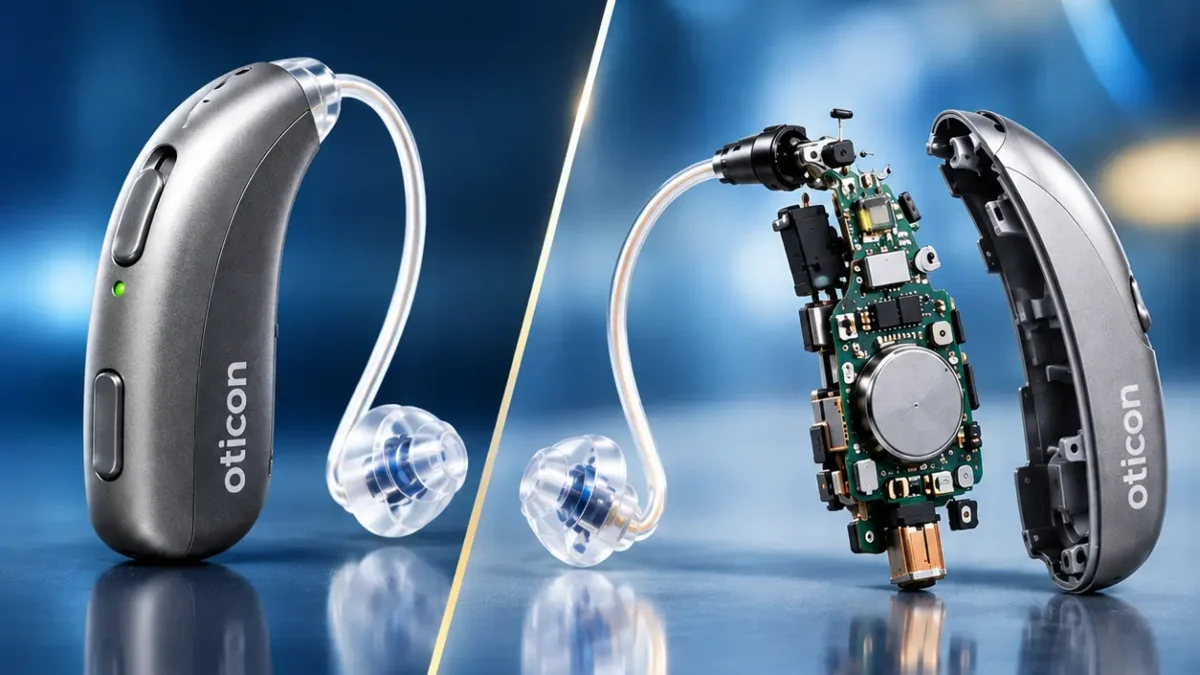
A hearing aid is a small but highly sophisticated electronic device that works in a demanding environment every day. Exposure to moisture, earwax, heat, skin oils and everyday handling can gradually affect its performance. When a hearing aid begins to sound weak, cuts out, whistles or stops working completely, many people immediately assume that they need a new device. In many situations, however, a professional repair or thorough service can restore performance and extend the useful life of the hearing aid.
Understanding the signs of a hearing aid problem can help you take the right action sooner. A simple issue such as a blocked wax filter or exhausted battery may be easy to resolve, while internal electronic damage may require professional attention.
Should You Repair or Replace Your Hearing Aid?
The best choice depends on the age and condition of the hearing aid, the cause of the problem, the availability of replacement parts and the cost of the repair compared with a new device.
A hearing aid is often worth repairing when the fault is limited, the main components remain in good condition and suitable replacement parts are available. Repair can also make sense when the device has previously performed well and still meets your hearing and lifestyle requirements.
Replacement may be more appropriate when the device has extensive physical damage, has developed repeated faults, is no longer supported with spare parts or no longer provides the features and performance you need.
Before making that decision, it is sensible to have the hearing aid properly assessed rather than replacing it simply because it has stopped working.
What Causes Hearing Aids to Stop Working Properly?
Hearing aids operate close to the ear, where humidity and earwax can create difficult conditions for delicate electronic components. Over time, contamination can affect microphones, receivers, sound outlets and other internal parts.
Daily wear and handling can also contribute to problems. A hearing aid may be accidentally dropped, exposed to water, affected by excessive moisture or damaged while being inserted or removed.
Common causes of hearing aid problems include blocked wax filters, dirty microphones, worn components, battery problems, charging faults, moisture exposure, damaged tubing and physical damage to the casing. Identifying the cause is important because the solution can vary considerably from one problem to another.
Common Signs That Your Hearing Aid Needs Attention
Changes in sound quality are often among the first signs that something is wrong. You may notice that conversations no longer sound as clear as they used to or that certain sounds appear unusually quiet.
Other warning signs can include intermittent sound, reduced volume, feedback, whistling, crackling noises or a hearing aid that switches off unexpectedly.
A rechargeable hearing aid may stop operating for as long as expected because of charging problems or battery deterioration. With traditional battery powered devices, poor performance can sometimes be caused by a weak battery or poor battery contact.
Physical changes should also be taken seriously. Cracks, damaged battery doors, loose components or signs of moisture can indicate that professional inspection is needed.
What Can You Check at Home Before Seeking a Repair?
Some hearing aid problems have simple causes and can be checked safely at home. Start by checking the battery if your hearing aid uses disposable batteries. A new battery can sometimes resolve what appears to be a more serious fault. Make sure the battery is inserted correctly and that the battery compartment is clean.
For rechargeable hearing aids, confirm that the charger is connected correctly and that the device is making proper contact with the charging points.
Next, inspect the sound outlet and wax filter. Earwax can gradually block the pathway through which amplified sound reaches the ear. A blocked filter can make the hearing aid appear significantly quieter even though the electronic system itself is working. The microphone openings should also be kept clean and free from visible debris. Always follow the manufacturer’s cleaning instructions and avoid introducing liquids into the hearing aid.
If these basic checks do not improve the problem, further cleaning or disassembly should not normally be attempted without professional guidance.
Why Earwax Can Affect Hearing Aid Performance
Earwax is one of the most common reasons for reduced hearing aid performance. Even a small amount of blockage can affect sound output and make speech appear muffled.
Wax can collect around the sound outlet or filter and may also interfere with the receiver. Regular cleaning and replacement of filters where appropriate can therefore play an important role in maintaining clear sound.
This does not mean that every hearing aid problem is caused by wax. If a device remains quiet after the filter has been replaced or cleaned according to the manufacturer’s instructions, a more serious fault may be present.
How Moisture Can Damage a Hearing Aid
Moisture is a major concern because hearing aids contain sensitive electronic components. Sweat, humidity, rain, accidental splashes and condensation can all contribute to problems over time.
Even hearing aids designed to resist moisture should be cared for correctly. Water resistance does not mean that a hearing aid should be deliberately exposed to water.
Keeping the device dry when it is not being worn, following the manufacturer’s storage guidance and using suitable drying equipment can help reduce moisture related problems.
Never use a hairdryer or another direct source of high heat to dry a hearing aid. Excessive heat can damage delicate components.
When Professional Hearing Aid Repairs Are the Better Option
Professional repair is particularly useful when basic troubleshooting has not solved the problem. A hearing professional or specialist repair service can inspect the hearing aid and determine whether the issue is related to the microphone, receiver, circuitry, casing, battery contacts or another component.
For people looking for hearing aid repairs in scotland, professional assessment is especially important when an older device has stopped working because repairability is not determined by age alone. The condition of the device, the nature of the fault and the availability of replacement components all need to be considered.
A proper inspection can also prevent unnecessary replacement. If the hearing aid remains suitable for your hearing needs and can be repaired reliably, keeping the existing device may be a practical and cost effective option.
Can Older Hearing Aids Still Be Repaired?
Age does not automatically mean that a hearing aid cannot be repaired. Older hearing aids may still be serviceable when their main components remain in reasonable condition and the required parts can be sourced.
However, manufacturers may eventually stop producing certain components for older models. This can make some repairs more difficult or, in certain cases, impractical. This is why the age of the hearing aid should be considered alongside its model, condition and repair history.
A professional assessment can help establish whether repairing the existing device is worthwhile or whether replacing it would provide better long term value.
When Replacing a Hearing Aid May Make More Sense
Repair is not always the best financial or practical decision. Replacement may be worth considering when a hearing aid has suffered extensive physical damage or has developed repeated faults.
Another important consideration is technology. Modern hearing aids can offer features such as rechargeable power, improved speech processing, Bluetooth connectivity, automatic environmental adjustment and more discreet designs.
If your current hearing aids are several years old and you are experiencing ongoing problems, it may be useful to compare the expected repair cost with the benefits of newer technology.
The decision should also consider your hearing needs, lifestyle and personal preferences rather than focusing only on the initial repair price.
Why Regular Hearing Aid Servicing Matters
A hearing aid does not simply need attention when it stops working. Regular servicing can help identify developing problems before they become more serious. Professional servicing can include inspection of the hearing aid, cleaning of important components, checking sound quality and identifying signs of wear or contamination.
Regular hearing evaluations are also important because your hearing needs can change over time. A hearing aid that was correctly adjusted when first fitted may require further fine tuning later. Good maintenance therefore involves both looking after the device and making sure it continues to provide the appropriate level of hearing support.
How to Reduce the Risk of Hearing Aid Damage
Good daily habits can make a meaningful difference to hearing aid performance. Keep hearing aids away from unnecessary moisture and remove them before showering or swimming unless the manufacturer specifically states that the device is suitable for that activity.
Clean the devices according to the manufacturer’s instructions and pay particular attention to the microphone openings, sound outlet and wax filter. Store hearing aids safely when they are not being worn and avoid leaving them in locations exposed to excessive heat.
Handle the devices carefully when inserting and removing them. Small drops can sometimes cause internal damage even when there is no obvious external crack.
Battery powered hearing aids should be fitted with suitable batteries and stored correctly. Rechargeable devices should be charged using the appropriate charger.
How Much Do Hearing Aid Repairs Cost?
The cost of a repair can vary considerably because there is no single repair for every hearing aid fault. The final price may depend on the type of hearing aid, the component that has failed, the extent of the damage, the availability of replacement parts and whether the device remains under warranty.
A simple service or replacement component can be very different in cost from a repair involving major internal electronics or a damaged custom casing. For this reason, obtaining a professional assessment before agreeing to a repair is usually the most sensible approach.
What Happens During a Professional Hearing Aid Repair?
A professional repair process normally begins with an inspection to identify the source of the problem.
The device may then be checked for visible damage, contamination, moisture, battery or charging issues and component failure. Depending on the fault, parts may be cleaned, replaced or repaired before the hearing aid is tested again.
The final stage should confirm that the device is functioning correctly and producing appropriate sound before it is returned to the user.
A professional repair is therefore more than simply replacing a battery or cleaning the outside of the device. The objective is to restore reliable performance and ensure that the hearing aid remains suitable for continued use.
Why Choosing an Independent Hearing Aid Professional Can Be Valuable
Independent hearing care can provide a broader perspective when you are deciding between repair, replacement and upgrading your hearing aids. Rather than assuming that a new device is automatically required, an independent professional can assess the condition of the current hearing aid and discuss the practical options available.
This can be particularly useful when you have an older hearing aid, want to control costs or are unsure whether your current device can still meet your needs. The right advice should always take into account your hearing, lifestyle, technology preferences and the condition of your existing hearing aids.
Get Professional Advice Before Giving Up on a Hearing Aid
A hearing aid that suddenly becomes unreliable does not necessarily need to be replaced. In many cases, the problem may be related to maintenance, wax blockage, moisture, battery performance or a replaceable component.
When the cause is uncertain, professional inspection is the safest way to establish what is wrong and whether repair is worthwhile.
The Hearing Aid Advice Centre provides independent hearing care and hearing aid advice across Scotland, helping users understand their options and make informed decisions about their hearing technology.
Whether your hearing aid is producing weak sound, cutting out, whistling or refusing to switch on, getting the problem assessed can help you avoid unnecessary expense and restore confidence in your hearing equipment.
Conclusion
A hearing aid that develops a fault does not always need to be replaced. Problems such as blocked wax filters, moisture, battery issues and worn components can often be resolved with appropriate maintenance or professional repair. Having the device assessed before making a replacement decision can help you understand the most practical and cost effective option.
With regular cleaning, careful handling and professional servicing, many hearing aids can continue providing reliable support for years. When problems persist, seeking advice from an experienced hearing care professional ensures that your hearing, comfort and lifestyle requirements remain at the centre of the decision.