- HEARING AIDS & HEARING CARE ACROSS SCOTLAND
- 01506 420519


How Ear Wax Affects Hearing Aids and When Removal Is Needed
August 26, 2026
Choosing hearing aids can feel like a bigger decision than you first expect. There are different styles, different levels of technology, rechargeable options, discreet designs and a wide range of prices. It is easy to start comparing features before you have really thought about what you need the hearing aids to do. The better approach is to start with your own hearing and your everyday life. Where do you struggle most? Is it conversation at home, hearing in restaurants, following family discussions, using the telephone or watching television? Those answers are far more useful when choosing hearing aids than simply looking for the newest model.
The right hearing aid should make communication easier without becoming a source of frustration. It should be comfortable enough to wear regularly, simple enough for you to manage and suitable for the type and degree of your hearing loss. A good fitting also matters because even an excellent hearing aid will not perform as well as it should if it has not been adjusted correctly for you. Current NICE guidance recommends that hearing aid decisions take account of a person’s hearing, communication needs, expectations and everyday listening situations rather than relying on an audiogram alone.
For many people, the hardest part is knowing where to begin. You may have noticed that people are starting to mumble, the television needs to be louder or conversations become difficult when several people are speaking. Perhaps you can hear sounds but cannot always make out the words. These are common experiences with hearing loss and they can gradually affect confidence in social situations. Getting your hearing checked gives you a much clearer picture of what is happening and whether hearing aids could make a useful difference.
Start With Your Hearing Rather Than the Hearing Aid
It is tempting to begin by looking at hearing aid styles and prices, but your hearing should come first. Everyone has a different hearing profile, and the level of difficulty you experience cannot always be judged simply by asking whether you think your hearing is mild, moderate or severe. Some people have particular difficulty with high pitched sounds while others struggle more with speech in noise. You may also hear voices reasonably well in a quiet room but find conversation extremely tiring in a busy environment.
A proper hearing assessment is therefore more than a quick check to see whether you can hear a series of tones. Your hearing history, the situations where you have difficulty and the effect hearing loss is having on communication all matter. NICE guidance recommends taking account of hearing and communication needs at home, work, education and in social situations when carrying out an adult audiological assessment.
This is useful because the same hearing test result can lead to different practical priorities for different people. Someone who spends most of their time at home may value clear television and family conversation. Someone who works, travels frequently or regularly meets friends may place much greater importance on understanding speech when there is background noise. The right hearing aid should reflect those differences instead of treating every hearing loss in exactly the same way.
It is also worth remembering that a hearing assessment does not automatically mean you need to buy hearing aids. The purpose of the assessment is to understand your hearing properly and discuss suitable options. There are situations where hearing difficulties can be related to something other than permanent hearing loss, which is why a sensible assessment should look at the wider picture before amplification is considered.
Think About the Situations Where You Actually Struggle
One of the best things you can do before choosing hearing aids is to think about your normal week. Do conversations become difficult when you are sitting around the dinner table? Do you struggle to hear a partner who speaks from another room? Do restaurants leave you exhausted because you are concentrating so hard on conversation? Are family gatherings becoming less enjoyable because you miss parts of what people are saying?
These details can be surprisingly helpful when discussing hearing aid options. People sometimes describe their problem simply as “I cannot hear very well”, but that does not tell the full story. Saying that you can hear a single person clearly in a quiet room but cannot follow two people talking at once gives much more useful information about what you want the hearing aids to achieve.
Think about your telephone use too. If you rely heavily on calls, smartphone connectivity may be worth considering. If you rarely use your phone and mainly need help during face to face conversations, other features may be more important. There is no reason to pay for technology that does not improve the things you actually find difficult.
Music can also be part of the discussion. Some people are mainly concerned about speech while others notice that music no longer sounds as it used to. A hearing assessment and conversation about your listening habits can help establish what matters most to you.
Hearing Aid Style Should Come After Your Needs
Hearing aid design has changed enormously over the years. Devices can now be very small and discreet, while some models offer powerful amplification despite their compact size. This gives people much greater choice, but it can also make the decision confusing.
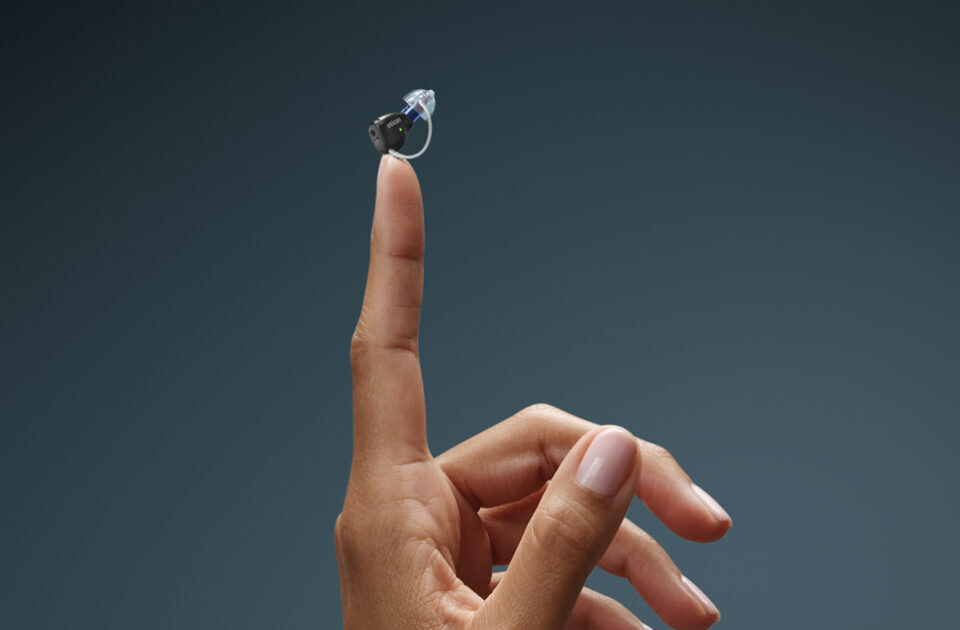
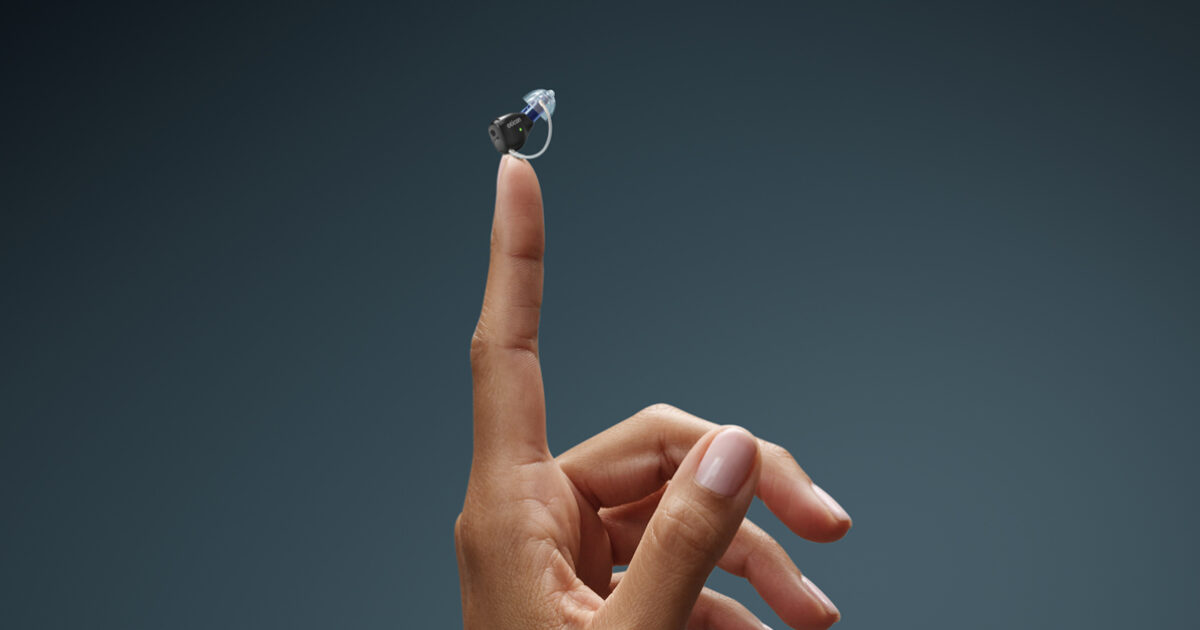
Behind the ear hearing aids remain a practical choice for many people because they can accommodate different levels of hearing loss and can be designed in several configurations. Receiver in the ear hearing aids are another popular option because the main body sits behind the ear while the receiver is positioned closer to the ear canal. In the ear and in the canal designs sit within the ear and can appeal to people who prefer a less noticeable appearance.
The important point is that size and appearance should not be the only deciding factors. A very small hearing aid may look attractive, but you still need to be able to handle it comfortably. If you have difficulty with small controls or dexterity, a slightly larger design might actually be easier to use every day. Similarly, a particular style may not provide the power or features required for your hearing loss.
A hearing aid should fit you physically and practically. That means considering your ear shape, your hearing requirements, your ability to handle the device and the environments in which you most need help. A discreet hearing aid that you struggle to insert or remove is not necessarily a better hearing aid for you.
Why Two Hearing Aids Can Make a Difference
If you have hearing loss in both ears, it is worth understanding why two hearing aids may be recommended rather than automatically assuming one is enough. Our ears work together to help us understand speech and work out where sounds are coming from. When both ears have aidable hearing loss, using two hearing aids can provide benefits that are difficult to achieve from one device alone.
NICE recommends offering two hearing aids to adults with aidable hearing loss in both ears. The guidance explains that using two can make speech easier to understand in background noise, help with locating sounds and improve sound quality.
This can be particularly relevant during group conversations. Imagine sitting around a table while several people are talking. With hearing loss in both ears, following the conversation may require considerable concentration. Two appropriately fitted hearing aids can provide information to both ears and help make the listening experience more balanced.
That does not mean everyone must have two hearing aids. Your own circumstances and preferences matter. However, if both ears have significant hearing loss, it is sensible to discuss the advantages of binaural hearing rather than making the decision based purely on the initial cost.
Hearing Aids for Busy and Noisy Environments
For many people, background noise is the real reason they decide to investigate hearing aids. They might manage reasonably well at home but struggle badly in a restaurant or when several family members are speaking. This can be confusing because they may feel that they can hear sounds but cannot understand speech properly.
Modern hearing aids are designed to process incoming sound and can include directional microphone systems and noise reduction features. These technologies are intended to make listening more manageable in difficult environments. NICE specifically recommends explaining features that can help with background noise and making sure users understand how microphone and noise reduction settings can be used in different environments.
It is important to keep expectations realistic. Hearing aids cannot turn a busy restaurant into a silent room. They cannot remove every competing voice or make every acoustic environment easy. What they can do is improve access to useful speech information and reduce some of the work involved in trying to understand what is being said.
When discussing hearing aids, tell your hearing professional about the noisiest place where you regularly struggle. A device chosen mainly for quiet home listening may not provide the same advantages as a solution selected with demanding listening environments in mind.
Rechargeable Hearing Aids and Everyday Convenience
Rechargeable hearing aids have become an increasingly popular choice because they remove much of the routine associated with changing small disposable batteries. At the end of the day, the hearing aids can usually be placed into their charger so they are ready for the next morning.
For someone who finds tiny batteries difficult to handle, this can be a genuine improvement rather than simply a modern feature. It can also make the daily routine easier because there is less need to remember when batteries need replacing. However, rechargeable does not automatically mean better for everyone.
Think about how you live. Someone who spends long periods away from home may want to understand exactly how charging works and what options are available when they are travelling. Someone who follows a regular home routine may find charging exceptionally simple.
The important question is not whether rechargeable technology is fashionable. It is whether it makes your life easier. Hearing aid technology should be practical, not complicated for the sake of having more features.
Are Smaller Hearing Aids Always Better?
Many people initially ask for the smallest hearing aids available. That is completely understandable. Nobody wants to feel that their hearing aids are the first thing other people notice.
Modern hearing aids can be remarkably discreet, so there is no reason to ignore appearance when it matters to you. At the same time, the smallest possible device is not necessarily the most suitable device for your hearing or lifestyle.
A smaller hearing aid may have smaller controls. It may also have limitations depending on the type of hearing loss and the features you require. Some people find a discreet receiver in the ear design ideal, while another person may prefer a slightly different arrangement that is easier to handle.
The sensible approach is to balance discretion with performance and comfort. You should be able to wear the hearing aids confidently, but you should also be able to use them without unnecessary difficulty.
Comfort Matters More Than People Expect
You can have excellent hearing technology and still be unhappy with your hearing aids if they are uncomfortable.
New users sometimes assume that discomfort is something they simply have to tolerate. There can certainly be an adjustment period when you first begin wearing hearing aids, particularly if you have not heard certain everyday sounds clearly for a long time. Your own voice may sound different and background sounds may become more noticeable.
That initial adjustment is different from ongoing physical discomfort. If a hearing aid causes pain, rubs against the ear or feels as though it is constantly moving, it should be checked. A hearing aid should be designed and fitted with your comfort in mind.
Comfort also includes how easy the device is to put on and remove. If you struggle to position it correctly every morning, you may become reluctant to wear it. Good hearing care considers these practical details instead of focusing entirely on technical performance.
Give Yourself Time to Adjust
The first few days with hearing aids can be surprising. You may suddenly notice the sound of footsteps, paper moving, appliances running or traffic outside. These sounds have always been there, but hearing loss may have reduced your awareness of them.
Your own voice can also seem unfamiliar. Some people describe this as sounding fuller or different. That does not necessarily mean something is wrong with the hearing aid. Your brain is simply receiving sound information in a different way.
The best approach is usually to give yourself time while paying attention to how you are getting on. Wear the hearing aids during ordinary activities and notice which situations are improving and which remain difficult.
At the same time, do not ignore problems. Excessive volume, persistent feedback, poor physical fit or difficulty understanding speech are all worth discussing. Hearing aids can often be adjusted, and small changes can sometimes make a surprisingly large difference.
The Importance of Hearing Aid Fitting
Buying a hearing aid is only part of the process. The way the device is fitted and adjusted can have a major effect on your experience.
Hearing aids need to provide enough amplification for your hearing loss without making sounds unnecessarily loud or uncomfortable. Settings may also need to be refined according to the environments you use most often.
This is particularly important because the experience you have during a quiet hearing appointment may not match the experience you have in a noisy restaurant or busy family gathering. Real life gives you information that cannot always be captured in a short fitting session.
NICE recommends follow up after hearing aids are fitted, including checking comfort, sound quality, volume, cleaning, battery life, telephone use and microphone and noise reduction settings. Fine tuning should be carried out where needed.
That is why good aftercare should be regarded as part of the hearing aid solution rather than an extra.
Follow Up Can Change Your Experience
It is common for people to discover new things once they have spent time using their hearing aids at home.
You may find that the volume needs a small change. You may realise that one particular situation remains difficult. You might discover that the hearing aids are comfortable but that you are unsure about cleaning them. Perhaps the telephone works well but the television still needs some attention.
These are exactly the sorts of things follow up should address.
Current NICE guidance recommends a face to face follow up appointment around six to twelve weeks after hearing aids are fitted, while allowing alternatives such as telephone or electronic communication according to preference. The review should consider how well the hearing aids are meeting the person’s goals and whether adjustments are needed.
A useful hearing aid service should therefore not disappear after the purchase. Your hearing needs and your experience of using the devices are what matter over the long term.
Hearing Aids Scotland: What Should You Look For?
When searching for hearing aids in Scotland, it is easy to become focused on prices and product names. Those things matter, but they should not be the whole decision. What really matters is whether the hearing care available to you starts with a proper understanding of your hearing and gives you advice based on your individual needs.
The Hearing Aid Advice Centre provides hearing tests and hearing aid care in Livingston, Edinburgh, Glasgow and across Central Scotland. The service includes home hearing visits for people who prefer to have their hearing assessed and hearing aids fitted in their own surroundings.
That home based approach can be particularly practical for people who find travelling difficult or simply feel more relaxed in familiar surroundings. A person’s home can also be a useful environment for discussing the situations in which hearing is most important, from conversation with family members to listening to television.
The Hearing Aid Advice Centre also offers a try before you buy approach, allowing suitable hearing aids to be trialled before a decision is made. This can be valuable because choosing hearing aids from photographs or specifications is very different from actually wearing them during normal daily life.
The central point remains the same wherever you are in Scotland. Hearing aids should be selected around your hearing needs rather than around marketing claims or technology for its own sake.
Hearing Tests Can Reveal More Than You Expect
People sometimes put off a hearing test because they believe their hearing loss is not serious enough. They may think they are simply getting older or that everyone around them is speaking too quietly.
Gradual hearing loss is easy to adapt to without realising how much effort you are putting into listening. You may begin watching people’s faces more closely. You may position yourself so that a particular ear is facing the speaker. You may avoid noisy restaurants or stop taking part in large conversations.
A hearing assessment can help separate assumptions from facts.
NICE recommends a full audiological assessment that considers symptoms, physical factors, communication needs and the impact of hearing loss, alongside tests such as otoscopy and pure tone audiometry, with tympanometry where indicated.
The result is not simply a number. It is information that can help you understand why particular listening situations have become difficult and what options may realistically improve them.
Ear Wax Should Not Be Ignored
Sometimes a change in hearing is not simply a matter of needing more amplification.
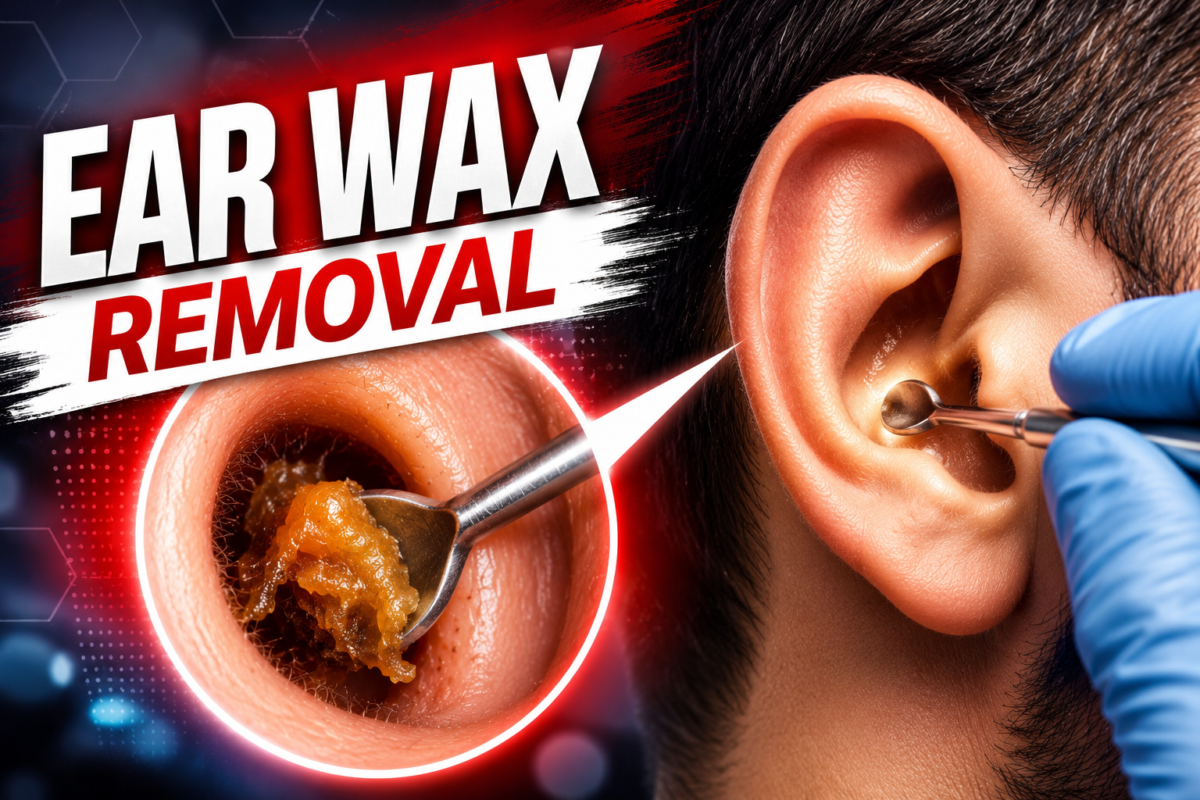
Impacted ear wax can cause muffled hearing and can also interfere with examining the ear or carrying out a hearing assessment. If you have noticed a recent change in hearing and suspect wax could be involved, it is worth getting appropriate advice rather than immediately assuming that a stronger hearing aid is required.
NICE recommends removal of ear wax where it contributes to hearing loss or other symptoms or where it needs to be removed so the ear can be properly examined or an impression can be taken.
It is also important not to push objects deep into the ear in an attempt to remove wax yourself. The ear does not need aggressive cleaning, and putting objects into the canal can make problems worse.
For hearing aid users, wax management can also matter because wax can affect components such as the receiver and can contribute to changes in sound or feedback.
Hearing Aids and Tinnitus
Some people considering hearing aids also experience tinnitus. Tinnitus can be heard as ringing, buzzing, humming or another sound when there is no external source producing it.
Hearing aids are not a universal treatment for tinnitus, and they should not be presented as a cure. However, where tinnitus occurs alongside hearing loss, amplification may be useful for some people, particularly when hearing loss is affecting communication. NICE guidance on tinnitus recommends amplification devices for people with tinnitus who also have hearing loss affecting communication.
The important thing is to discuss your full hearing picture rather than treating each symptom separately. If tinnitus is persistent, particularly if it is sudden, one sided or associated with other changes in hearing, appropriate medical advice should be sought.
A good hearing assessment gives you an opportunity to explain everything you have noticed rather than just saying that your hearing has become quieter.
What Happens If Your Hearing Changes After You Get Hearing Aids?
People sometimes assume that any change in hearing means they immediately need a completely new pair of hearing aids. That is not always the case.
Depending on the hearing aid and the change in hearing, an adjustment or different receiver may sometimes provide the extra support required. This is one reason why keeping your hearing aids maintained and having your hearing reviewed matters.
The Hearing Aid Advice Centre itself discusses cases where existing hearing aids have been adjusted to respond to changes in hearing, rather than automatically replacing the entire set of devices.
That does not mean every hearing change can be solved through adjustment. Your hearing should be reassessed when there is a significant change so that the most suitable option can be determined.
If hearing suddenly changes, particularly if the loss is sudden in one or both ears, seek prompt medical advice rather than simply turning up your hearing aid.
What About Hearing Aids for Television?
Television is one of the first places many people notice hearing difficulties.
You may find yourself increasing the volume while other family members complain that it is too loud. Alternatively, you may hear the programme but struggle to understand dialogue, especially when music or background effects are present.
Hearing aids can improve access to speech and may make television easier to follow, particularly when they have been correctly fitted to your hearing loss. Some modern hearing aids can also work with compatible television accessories or wireless streaming systems.
However, television difficulties can have different causes. If you are turning the volume up but still cannot understand speech, tell your hearing professional exactly what is happening. You may need more than simply louder sound.
Hearing Aids for Family Conversations
Hearing loss does not only affect the person wearing the hearing aids. Family members often notice the changes first.
A person may ask others to repeat themselves repeatedly. They may answer a question incorrectly because they have only heard part of it. Conversations can become tiring, and family members may wrongly assume that the person is not listening.
Hearing aids can help restore access to conversation, but family communication habits can help too. Speaking clearly, facing the person and reducing unnecessary background noise can all make communication easier.
The goal is not to make family members speak unnaturally loudly. It is to create an environment in which the hearing aid user has a fair opportunity to understand what is being said.
Hearing Aids at Home Can Be Especially Useful
For some people, the thought of having a hearing test or hearing aid fitting outside the home can be stressful. Travelling, parking and unfamiliar surroundings may make the whole experience more difficult than it needs to be.
Home hearing care can provide a more relaxed alternative for people who prefer it.
The Hearing Aid Advice Centre provides home hearing appointments across areas including Edinburgh and Glasgow as well as other parts of Scotland. Its service information explains that home visits can suit people who are housebound, those who no longer drive and those who simply prefer the convenience of having hearing care at home.
There can also be a practical advantage in being able to discuss hearing problems in the place where many of them actually happen. You can explain how you hear television, where people normally sit during family conversations and which situations cause the most difficulty.
Do Not Choose a Hearing Aid Based Only on Price
Price naturally matters when making any significant purchase, but hearing aids should not be judged on cost alone.
A cheaper hearing aid that you rarely wear because it is uncomfortable or unsuitable for your listening needs is not necessarily good value. At the same time, the most expensive model may include features you never use.
Value comes from the overall solution.
That includes the hearing aid itself, its suitability for your hearing loss, the fitting, adjustments, aftercare, maintenance and the practical support you receive. It also includes whether you can comfortably use the features and whether they improve the situations that matter most to you.
This is why it makes sense to compare complete hearing aid solutions rather than comparing product prices in isolation.
Trialling Hearing Aids Before Buying
One of the biggest questions people have before purchasing hearing aids is simple. Will these actually make enough difference to justify wearing them every day?
It is difficult to answer that properly without experiencing the devices.
A trial can give you an opportunity to wear hearing aids during real conversations and ordinary daily activities. You can discover how they feel, how natural the sound seems and whether speech becomes easier in the situations where you normally struggle.
The Hearing Aid Advice Centre offers a try before you buy approach, allowing people to experience suitable hearing aids before committing to a purchase.
That kind of practical experience can help remove some of the uncertainty from the decision. Instead of choosing based only on specifications, you can judge how the hearing aids fit into your life.
Good Hearing Aid Care Starts With Simple Habits
Hearing aids are small electronic devices and benefit from regular care.
Follow the cleaning instructions provided for your particular device. Check the components regularly and pay attention to any changes in sound quality. Keep the hearing aids protected from excessive moisture and look after the charging equipment or batteries as instructed.
If sound becomes weak or distorted, do not automatically assume that the hearing aid has failed. The issue could be something simple such as wax, debris, a blocked component, low battery power or a setting that needs attention.
NICE recommends that people fitted with hearing aids receive information about getting used to the devices, cleaning, maintenance and troubleshooting.
Knowing how to look after your hearing aids can prevent small issues from becoming bigger frustrations.
When Should You Consider New Hearing Aids?
There is no universal number of years after which every hearing aid must be replaced.
Technology continues to develop, but replacement should be based on your circumstances rather than on age alone. Your hearing may have changed. Your current devices may no longer provide the features you need. The physical condition of the hearing aids may have deteriorated, or newer technology may provide a meaningful improvement for the way you live.
Before replacing hearing aids, it can be useful to have your hearing checked and your current devices assessed.
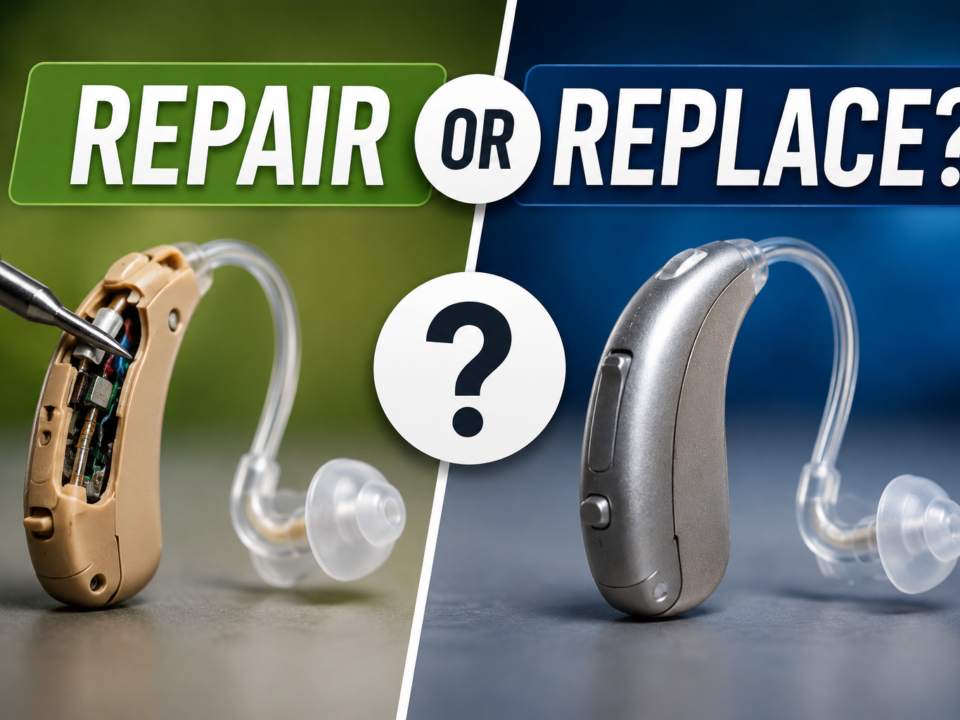
Sometimes an adjustment can improve their performance. Sometimes a repair is enough. In other cases, newer hearing aids may provide benefits that genuinely justify an upgrade.
The right decision is the one based on what you need now rather than simply on what happens to be the newest product.
Hearing Technology Is Changing Quickly
Modern hearing aids are becoming increasingly sophisticated. Current devices can include rechargeable power, smartphone connectivity, advanced speech processing, automatic adjustments and artificial intelligence based processing.
The Hearing Aid Advice Centre currently offers newer technology including devices with AI based processing and modern Bluetooth functionality, while also emphasising that technology should serve the individual’s hearing needs rather than become the main focus.
This is an important distinction.
AI, Bluetooth or any other advanced feature can sound impressive, but the real question is whether it helps you hear more comfortably and communicate more effectively. A feature that looks impressive on a product page has little value if it does not solve a problem in your everyday life.
Technology should make hearing easier, not make choosing hearing aids more complicated.
What Makes a Hearing Aid Service Worthwhile?
Good hearing care should feel like a conversation rather than a sales presentation.
You should have time to explain your difficulties. You should be able to ask questions without feeling rushed. The hearing test results should be explained clearly, and you should understand why a particular hearing aid or feature has been suggested.
You should also feel comfortable saying that something is not working.
Hearing can be very personal. Some people feel embarrassed about their hearing loss. Others are frustrated because they waited so long before doing something about it. A calm and straightforward approach can make the process much easier.
The Hearing Aid Advice Centre describes a personalised approach built around individual hearing needs and has been providing hearing testing and hearing aid fitting across Scotland since 1997.
What Should You Ask Before Choosing Your Hearing Aids?
Before you make a decision, make sure you understand the basics. Ask what type of hearing loss you have and which situations are likely to be most challenging. Ask why a particular hearing aid style has been recommended and whether the device is suitable for your lifestyle.
Ask how the hearing aid should be cleaned and maintained. Find out how the charging system or batteries work and whether the controls are easy for you to manage. Ask about smartphone connectivity if that is important to you.
It is also sensible to ask what happens after the fitting. How can the hearing aids be adjusted if they do not feel right? Who should you contact if you have a problem? What support is available when your hearing changes?
These questions may seem basic, but they can tell you a great deal about the overall hearing care experience.
Signs That It May Be Time to Have Your Hearing Tested
You do not have to wait until you can barely hear before having a hearing assessment. Perhaps you keep asking people to repeat themselves. Maybe you regularly turn the television up higher than everyone else prefers. You might struggle to follow conversation in restaurants or feel that people are mumbling when they are actually speaking normally.
You may also notice that listening has become tiring. When hearing becomes difficult, the brain has to work harder to fill in missing information and make sense of incomplete speech. Over time, this can make social situations feel exhausting.
A hearing assessment can help you understand whether hearing loss is contributing to these problems and whether hearing aids or another form of hearing support could help.
The Goal Is Better Communication, Not Just Louder Sound
It is easy to think about hearing aids as devices that simply make everything louder. Modern hearing technology is more sophisticated than that.
The aim is to make useful sound more accessible while managing amplification in a way that suits your hearing loss and listening environment. The most important outcome is being able to communicate more easily and participate in everyday life.
That might mean following a conversation with your partner without repeatedly asking them to repeat themselves. It might mean joining a family meal without feeling left out. It could mean hearing your grandchildren more clearly or being able to follow a television programme without turning the volume up for everyone else.
Those everyday improvements are what make the right hearing aid worthwhile.
Making the Right Choice
There is no universal best hearing aid. The best device for you is the one that suits your hearing loss, your ears, your lifestyle, your communication needs and your comfort preferences. It should provide useful amplification without overwhelming you with features that have little practical value.
Start with a hearing assessment. Be honest about where you struggle. Explain which conversations and activities matter most to you. Consider whether you need help in noisy environments, whether rechargeable power would make life easier and whether smartphone connectivity would genuinely be useful.
Then look beyond the device itself. Consider the fitting, the trial opportunity, the follow up and the support available if your hearing changes. These things can have just as much influence on your long term experience as the technology inside the hearing aid.
Final Thoughts
Choosing hearing aids should not be about finding the device with the longest list of features. It should be about finding a hearing solution that makes your everyday life easier.
A good starting point is an accurate hearing assessment followed by an honest conversation about your listening needs. Think about the situations where hearing causes the most frustration and make those situations part of the decision. The right technology can then be selected around those needs rather than the other way around.
For people looking at hearing care in Scotland, there are now many modern hearing aid options available, including discreet designs, rechargeable devices, wireless connectivity and advanced sound processing. The challenge is not finding technology. The challenge is choosing technology that genuinely suits you.
Take your time, ask questions and pay attention to comfort and real world performance. A hearing aid should become part of your normal routine, not another thing you have to think about every day.
Most importantly, do not dismiss hearing difficulties as something you simply have to live with. When conversations become harder, television becomes too quiet or social situations become tiring, getting your hearing checked can be a useful first step. The right hearing support can make communication easier and help you stay involved with the people and activities that matter to you.