- HEARING AIDS & HEARING CARE ACROSS SCOTLAND
- 01506 420519

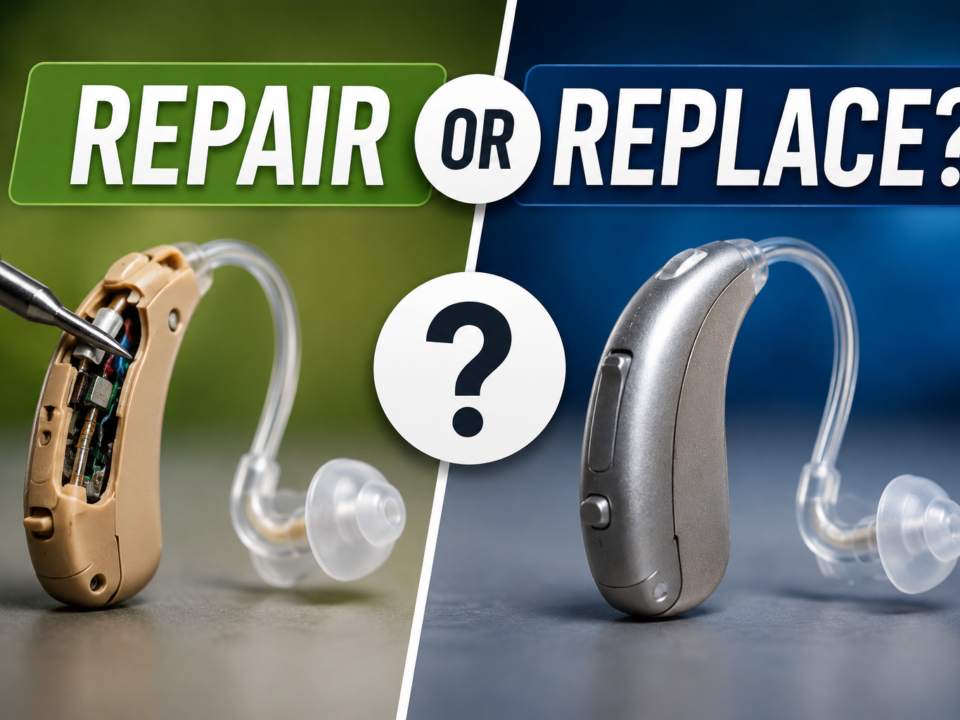
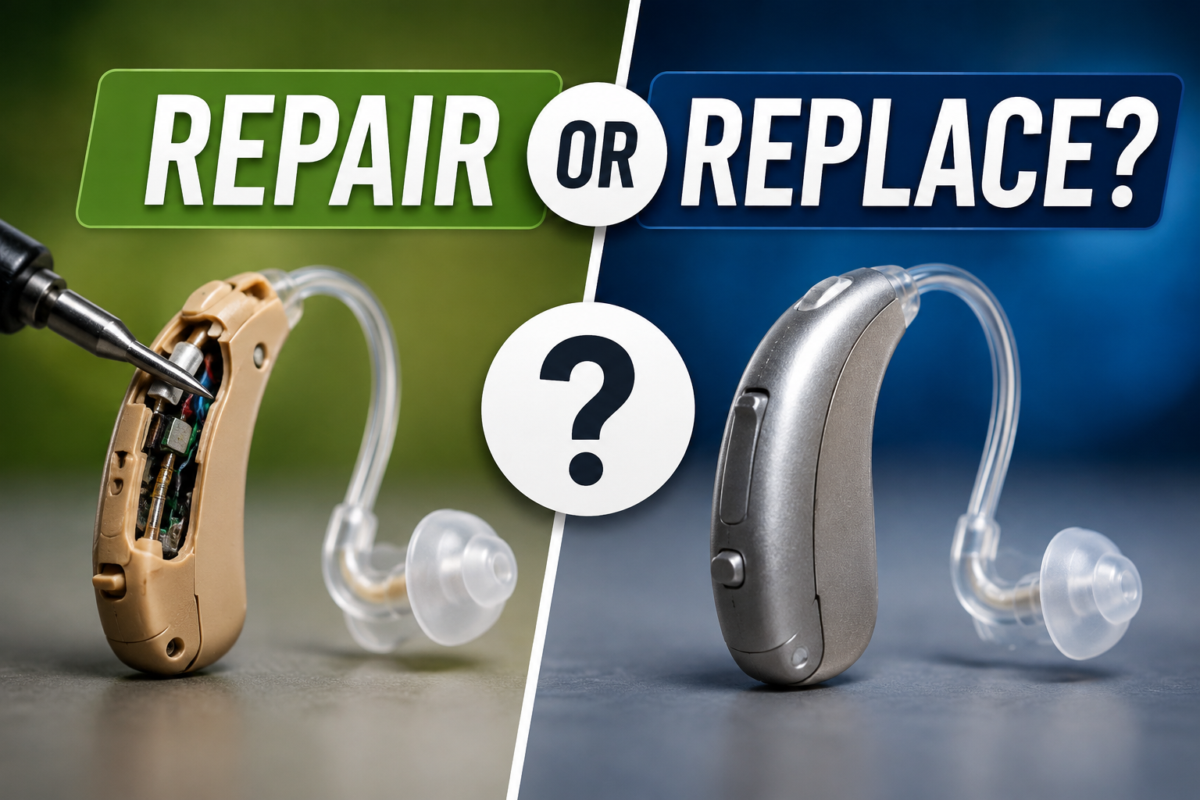
How to Decide Whether to Repair or Replace Your Hearing Aid
August 25, 2026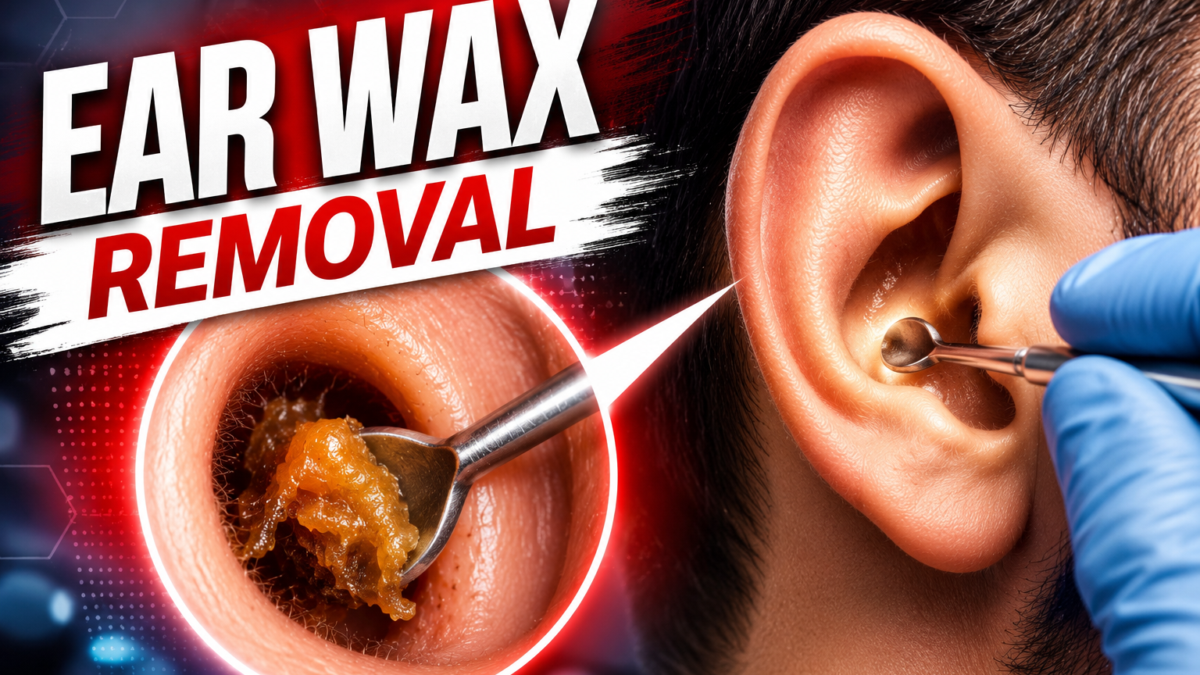
Ear wax is a normal and important part of ear health. It protects the delicate skin inside the ear canal, helps keep it lubricated and traps dust and other particles before they can travel further into the ear. Most of the time, ear wax does its job naturally and leaves the ear without any help.
Problems can arise when too much wax collects and becomes impacted. A build up may make sounds seem quieter or muffled, create a blocked sensation or contribute to ringing in the ears. For people who wear hearing aids, excessive wax can be particularly troublesome because it may interfere with the way a hearing aid sits in or around the ear and can affect sound quality.
The important point is that ear wax does not always need to be removed. Removal is generally considered when the wax is causing symptoms, preventing a proper view of the ear or interfering with hearing care. Current UK guidance also recommends avoiding cotton buds and other objects inside the ear because they can push wax deeper into the canal and may damage the ear.
Understanding what ear wax does, why it builds up, what symptoms it can cause and when professional assessment is appropriate can help you look after your ears without unnecessary treatment.
What Is Ear Wax and Why Do We Have It?
Ear wax, also known as cerumen, is produced by glands in the skin of the ear canal. It combines with naturally shed skin cells and other small particles within the ear.
Although many people think of ear wax as something that needs to be cleaned away, a certain amount is healthy. The ear canal has its own natural cleaning process. Movements of the jaw while talking and chewing can help move wax gradually towards the entrance of the ear where it can leave the ear naturally.
Ear wax also helps protect the skin of the ear canal. Removing every trace of wax is therefore unnecessary and can sometimes cause irritation. A healthy ear is not supposed to be completely free of wax. The goal is to allow the ear to maintain its natural balance while dealing with any build up that becomes troublesome.
This distinction is important because many people begin cleaning their ears when they notice a small amount of wax. Repeated cleaning can actually make the situation worse, particularly when cotton buds, tissues, fingernails or other objects are inserted into the ear.
When Does Ear Wax Become a Problem?
Ear wax becomes an issue when it accumulates enough to block part or all of the ear canal or when it causes symptoms. Some people produce more wax than others. The shape of the ear canal can also affect how easily wax moves out. Narrow or unusually shaped ear canals may make natural wax migration more difficult. Skin conditions affecting the ear can also contribute to build up.
A build up can develop slowly. You may not notice anything at first and then suddenly realise that one ear sounds quieter than the other. For some people, the first sign is not obvious hearing loss. It may feel as though the ear is full or blocked. Speech can seem muffled and sounds may lose their clarity.
For someone who already has hearing loss, this can be especially confusing. A reduction in hearing may be blamed on worsening hearing loss when the immediate problem is actually a blocked ear canal. That is one reason it is useful to consider ear health whenever hearing changes unexpectedly.
Common Signs of Ear Wax Build Up
The symptoms of impacted ear wax can vary from person to person. Common signs include reduced hearing, muffled sound, a blocked or full feeling in the ear and ear discomfort.
Some people also experience tinnitus, which can feel like ringing, buzzing or other sounds that do not come from an external source. Dizziness can occur in some cases too.
You may notice that:
Your own voice sounds different.
Speech seems less clear than normal.
The television needs to be louder.
One ear seems noticeably worse than the other.
Sounds appear distant or muffled.
Your ear feels full or blocked.
You notice increased ringing or buzzing.
Your hearing aid seems to behave differently from normal.
These symptoms do not automatically mean that ear wax is responsible. Similar symptoms can occur with other ear conditions, which is why persistent or unusual hearing changes should not simply be assumed to be caused by wax.
Why Ear Wax Can Be More Noticeable When You Wear Hearing Aids
Hearing aids and ear wax can affect each other in several ways. A hearing aid sits in or around the ear and can change the normal environment around the ear canal. For some hearing aid users, wax accumulation can become more noticeable because the wax may interfere with the device or collect around components that need to remain clear.
Excessive wax may also affect sound quality. You might experience a blocked or muffled sound even though the hearing aid itself has not developed a fault.
Another common concern is feedback. Some hearing aid users notice whistling or changes in sound when wax has accumulated or when the fit of the device is affected. Problems like this can be frustrating because they may appear to be a problem with the hearing aid when the underlying issue is related to the ear.
Wax can also make hearing assessments more difficult. If the ear canal is blocked, it may be harder to examine the ear properly and the eardrum may not be visible. This can matter when assessing hearing health or investigating a change in hearing. For this reason, keeping an eye on ear health is an important part of maintaining good hearing aid performance.
What Causes Ear Wax Build Up?
There is no single reason why one person develops more ear wax than another. Natural differences in ear anatomy can have an effect. Some people have narrower ear canals or a shape that makes the natural movement of wax less effective.
Skin irritation or certain skin conditions around the ear can also influence wax production and movement. Another major factor is trying to clean the ear too aggressively. Cotton buds can push wax deeper into the canal instead of bringing it out. Repeated attempts to remove wax can compact it and make the blockage harder to resolve. The delicate lining of the ear canal can also become irritated or damaged.
Using objects to scratch or clean the ear is therefore not a good way to manage wax. The ear has a natural cleaning mechanism. In many situations, the best approach is to leave a healthy amount of wax alone and only seek treatment when there is a genuine problem.
Should You Clean Your Ears Every Day?
No. Your ears do not normally need daily cleaning inside the ear canal. Cleaning the outer ear with a soft cloth is generally enough for ordinary personal hygiene. The part of the ear that you can see does not require aggressive cleaning.
Putting something inside the ear canal to remove wax can disturb the natural cleaning process. It may also push wax further towards the eardrum. A common misconception is that a clean ear should contain no wax at all. This is not the case. Ear wax has a protective purpose, so removing it unnecessarily is not beneficial. The focus should be on healthy ears rather than spotless ears.
What Is the Safest Way to Deal With Mild Ear Wax Build Up?
When ear wax is causing a blockage and there are no reasons why ear drops should be avoided, softening the wax can allow it to move out naturally. Olive oil drops are commonly recommended for softening ear wax. Some other wax softening preparations are also available. The exact product and instructions should be followed carefully.
NHS guidance advises using a small number of drops and allowing time for the solution to work. Different health services may recommend slightly different schedules, so it is sensible to follow the instructions supplied with the product or the advice of a qualified healthcare professional. You should not put ear drops into an ear if you have been told that you have a perforated eardrum unless a suitable healthcare professional has advised you to do so. Drops may also be inappropriate in some people with a history of ear surgery or certain ear problems.
This is why a little caution is important. Ear wax treatment is often straightforward, but not every blocked ear is simply a wax problem.
Can Ear Wax Drops Make Hearing Seem Worse at First?
Yes, this can happen. When wax softens, it can temporarily move or expand within the ear canal before it works its way out. Some people therefore notice that the ear feels more blocked for a short period after starting treatment. That temporary change does not necessarily mean that the drops are causing damage.
However, increasing pain, discharge, bleeding, significant dizziness or a sudden major change in hearing should not be ignored. If symptoms become concerning, stop self treatment and seek appropriate medical advice.
What Is Ear Wax Removal and When Is It Needed?
Ear Wax Removal means removing a build up of wax when it has become problematic rather than simply cleaning healthy ear wax from the canal. Removal may be appropriate when wax is causing hearing difficulty, discomfort, blockage or other symptoms. It may also be necessary when wax prevents a proper examination of the ear.
There are different ways wax may be removed. The appropriate approach depends on the person, the amount and position of the wax and the condition of the ear. Professional assessment can be particularly useful when wax is hard, deeply impacted, repeatedly returning or difficult to manage safely at home.
The aim should not simply be to remove wax as quickly as possible. Good ear care also means considering the health of the ear canal, the eardrum, any history of ear problems and the effect that the blockage is having on hearing.
What Is Microsuction?
Microsuction is a method used to remove ear wax using gentle suction and specialised equipment. Rather than flushing the ear with water, the wax is removed directly from the ear canal. The procedure requires appropriate equipment and should be carried out by someone trained to assess the ear and perform the technique safely.
Microsuction can be useful in situations where other approaches are unsuitable. Clinical guidance also identifies situations where irrigation may be inappropriate and where alternative methods may need to be considered.
People often worry that ear wax removal will hurt. When wax has been appropriately softened and the procedure is performed carefully, removal is often comfortable. However, everyone has different ear sensitivity, and discomfort should always be communicated during treatment. The most important point is that the method should be chosen according to the condition of the ear rather than simply based on what seems quickest.
What About Ear Irrigation?
Ear irrigation uses water to help remove softened wax from the ear canal. It can be suitable for some people, but it is not appropriate for every ear. The condition of the eardrum, previous ear surgery, recent infection, discharge and other factors may influence whether irrigation is suitable.
Current UK clinical pathways place emphasis on self management and wax softening first, with further intervention considered when this does not resolve the problem or when there are reasons to use another approach. This means that ear irrigation should not be treated as a universal solution.
A proper assessment matters because the wrong approach can cause unnecessary discomfort and may carry risks for certain people.
Is Microsuction Better Than Irrigation?
There is no single method that is best for every person. The right approach depends on the individual ear and the specific circumstances. A person with a healthy ear and straightforward wax may have several appropriate options, while someone with previous ear surgery, a perforated eardrum, recent infection or other complications may require a different approach.
Microsuction removes wax using suction without introducing water into the ear. Irrigation uses water to help flush softened wax from the canal. The choice should therefore be based on suitability rather than assuming that one technique is always superior. A careful assessment before treatment is an important part of safe ear care.
Why You Should Never Use Cotton Buds to Remove Ear Wax
Cotton buds are one of the most common causes of avoidable ear wax problems. They may appear to remove wax from the entrance of the ear, but they can push wax deeper into the canal. This can create a compacted blockage that becomes more difficult to remove.
The lining of the ear canal is also sensitive. Repeated contact with cotton buds can irritate the skin and may cause injury. There is a simple rule worth remembering: nothing should be pushed deep into the ear canal to clean it.
The same applies to hair pins, fingernails, pens, tweezers and other improvised tools. The fact that an object is small does not make it safe for use inside the ear.
Are Ear Candles Safe?
Ear candles are often promoted as a way to draw wax out of the ear, but there is no good evidence that they safely remove ear wax. They can also introduce unnecessary heat close to delicate ear tissue.
Because ear wax already has a natural route out of the ear, there is little reason to use an unproven technique that may introduce additional risk. NHS guidance specifically notes that there is no evidence that ear candles remove ear wax. The same caution applies to products or methods that claim to vacuum wax out of the ear without appropriate clinical assessment. A blocked ear should be treated with sensible ear care rather than aggressive experimentation.
Can Ear Wax Cause Hearing Loss?
Ear wax can cause temporary conductive hearing loss when it blocks the ear canal. This type of hearing difficulty happens because sound cannot travel through the ear canal normally. Once the blockage is cleared, hearing may improve.
This is different from permanent sensorineural hearing loss, which involves problems with the inner ear or hearing nerve. The distinction matters because not every change in hearing is caused by wax. A person who assumes every hearing problem is due to wax may delay a proper hearing assessment.
If your hearing changes suddenly, significantly or without an obvious explanation, it is better to seek appropriate medical advice rather than assuming that removing wax will solve the problem.
Ear Wax and Tinnitus
Some people notice ringing, buzzing or other noises when their ear is blocked with wax. Tinnitus is listed among the possible symptoms of ear wax build up. If tinnitus appears alongside a blocked ear and reduced hearing, wax may be contributing to the symptoms.
However, tinnitus has many possible causes. Removing wax may reduce symptoms when wax is responsible, but persistent tinnitus should not automatically be attributed to ear wax.
This is especially important if tinnitus is new, persistent, one sided or accompanied by other concerning symptoms. A proper hearing and ear assessment can help establish what is happening rather than relying on assumptions.
What Happens to Hearing When an Ear Is Blocked?
When wax fills the ear canal, outside sounds may become quieter before they reach the eardrum. The result can feel like listening through a layer of material. Voices may lose sharpness and high frequency speech sounds can become harder to distinguish.
Some people describe this as muffled hearing. Others say their ear feels underwater. If only one ear is affected, the difference can be particularly noticeable because the two ears no longer receive sound in the same way.
For hearing aid users, this can create an additional problem. The hearing aid may continue to amplify sound, but a significant blockage can interfere with the pathway between the device and the eardrum. This is why checking the ear itself can be important before assuming that a hearing aid needs adjustment or replacement.
How Ear Wax Can Affect Hearing Aid Performance
Hearing aids are designed to deliver carefully processed sound to the wearer. When wax builds up in the ear canal, the listening experience can change. You may notice more feedback, a blocked sensation or reduced clarity. Sound may seem less natural than it normally does.
A hearing aid can also become dirty from normal ear debris and moisture, so regular maintenance is important. If your hearing aid suddenly sounds different, do not automatically assume the device has developed a fault.
Check the basics first. Make sure the device is clean, correctly positioned and functioning normally. Consider whether there has been a recent change in your ear, particularly if one ear feels blocked. If the problem continues, an examination of the ear and hearing can help identify the cause.
Should Hearing Aid Users Have Regular Ear Wax Checks?
There is no universal schedule that applies to everyone. Some people naturally produce more wax than others. Some have narrow canals or a history of repeated blockage. Others may rarely experience a problem.
For hearing aid users who regularly develop wax build up, monitoring the ears can be useful. The goal is not to remove wax unnecessarily. Instead, it is to identify repeated blockage before it begins to interfere with hearing, hearing aid use or hearing assessment.
Regular hearing care is particularly helpful when a person notices recurring changes in sound, repeated feedback or difficulty keeping a hearing aid working as expected.
A personalised approach is more sensible than following a fixed routine simply because someone has been told that ears should be cleaned regularly.
What Should You Do If Your Hearing Aid Starts Whistling?
Hearing aid feedback can have several causes. The first step is not to assume that ear wax is responsible.
Check that the hearing aid is fitted correctly. Make sure the device and its components are clean. If the problem has appeared suddenly, consider whether something about the ear has changed. Wax build up can sometimes contribute to feedback by affecting the way sound behaves around the ear canal.
If cleaning the hearing aid does not resolve the problem, a hearing care professional can examine the device and the ear. A sudden change in performance is worth investigating, particularly when the wearer has also noticed reduced hearing, a blocked feeling or increased tinnitus.
When Should You Stop Self Treating Ear Wax?
Self care is not appropriate for every ear. You should seek medical advice rather than continuing to treat the ear yourself if there is significant ear pain, bleeding, discharge, sudden deafness or dizziness. These symptoms may indicate something other than ordinary ear wax build up. You should also be cautious if you have been told that you have a perforated eardrum, have had ear surgery or have other known ear conditions.
People with hearing implants, grommets or a history of significant ear disease may require individual advice before using ear drops or attempting any method of wax removal. Do not assume that a blocked sensation means wax. A proper assessment is the safer option when symptoms are unusual or persistent.
What Should You Do About Sudden Hearing Loss?
Sudden hearing loss should never simply be blamed on ear wax without appropriate assessment. While a blockage can make hearing seem worse, sudden or substantial hearing loss can have other causes that require prompt medical attention.
This is one of the most important distinctions in ear care. If hearing changes suddenly, particularly over a short period, seek urgent medical advice rather than repeatedly trying to clear the ear at home.
The earlier a potentially serious hearing problem is recognised, the better the opportunity for appropriate investigation and treatment.
Why Ear Wax Matters During a Hearing Assessment
A hearing assessment aims to understand how well you hear different sounds and to identify the type and degree of hearing difficulty. A blocked ear canal can interfere with this process.
Wax may prevent a clear view of the eardrum and can also reduce the amount of sound reaching the eardrum. This means that dealing with a significant blockage may be necessary before a hearing professional can obtain a clear picture of your hearing needs. This is one reason ear examination and hearing assessment can work together.
If someone has recently experienced a noticeable change in hearing, it makes sense to consider the condition of the ear canal as part of the overall assessment.
Can Ear Wax Come Back After Removal?
Yes. Removing a blockage does not necessarily change the underlying reason why a person produces or retains more wax.
Some people are naturally more prone to recurrent ear wax build up. Narrow canals, skin conditions and differences in natural wax production can all contribute. The aim of ongoing ear care is therefore not to guarantee that wax will never return.
Instead, it is about recognising the early signs, avoiding habits that make the problem worse and dealing with significant build up appropriately. For people who repeatedly experience blockage, an individual maintenance plan may be useful.
This may include sensible ear care, monitoring symptoms and seeking assessment when hearing or hearing aid performance changes.
Why Professional Advice Can Be Valuable
The ears are small and delicate, but they are not simple to assess by looking at the outside. A person may think they have wax when the actual problem is an infection, a perforated eardrum, another ear condition or a change in hearing.
Professional assessment can help distinguish between these possibilities. It can also determine whether wax really needs to be removed or whether leaving it alone is the better option.
For hearing aid users, professional hearing care has the additional advantage of looking at the whole situation rather than treating the ear and hearing aid as completely separate issues. A problem with hearing may be caused by the ear, the hearing aid, the hearing loss itself or a combination of factors.
Final Thoughts
Ear wax is normal. Ear wax build up is common. Neither should automatically be a cause for concern. The key is knowing when wax has moved from being a normal part of ear health to becoming a problem. A blocked sensation, muffled hearing, discomfort, tinnitus or a sudden change in hearing aid performance can sometimes be linked to excess wax. At the same time, these symptoms can have other causes and should not always be treated as wax related.
Avoid cotton buds and anything else that needs to be pushed into the ear canal. Do not attempt aggressive home removal. Be cautious with ear drops if you have a known eardrum problem or previous ear surgery. Seek appropriate medical advice when there is pain, bleeding, discharge, dizziness or sudden hearing loss.
For people who wear hearing aids, keeping the ears healthy is an important part of maintaining a comfortable listening experience. If hearing suddenly changes, the ear canal and the hearing aid should both be considered rather than assuming the device has failed.
Most importantly, do not confuse healthy ear care with constant cleaning. Your ears are designed to manage wax naturally. When that process is disrupted and wax becomes a genuine blockage, the right response is careful assessment and appropriate treatment.
Understanding your ears can make it easier to recognise when something is normal and when it deserves attention. That knowledge can help protect your hearing, support comfortable hearing aid use and make everyday conversations easier to enjoy.